


BE SALT AWARE
A high salt diet can not only lead to high blood pressure, but to osteoporosis, obesity, stomach cancer, kidney stones, and stroke. Please email the AWASH team at dropthesalt@georgeinstitute.org.au if you would like to order a Salt Awareness Pack.
More AWASH resources
World Salt Awareness Week 2012
Reducing salt: preventing stroke has been selected as the 2012 theme because reducing the average daily salt intake to recommended levels would prevent thousands of strokes in Australia every year.
This year AWASH is partnering with the National Stroke Foundation to organise a range of activities and events including, events in Melbourne on Monday March 26th, and Sydney on Wednesday March 28th which will bring together key policy advisers, food industry representatives, non-government organisations, health professionals, academics and media personnel to discuss further action required to reduce salt intake in Australia.
More Information
Melbourne
Sydney
World Salt Awareness Week 2011 – Salt and Men’s Health
World Salt Awareness Week 2011 aimed to make men more aware of the risks of a high salt diet and to make them more responsible for their own health.
To coincide with this The George Institute held Salt and Men’s Health, an interactive event to discuss the challenges and opportunities for reducing salt in foods, in March this year. The event brought together around 100 representatives of the food and catering industries with health professionals, food critics, academics and media personnel. It highlighted the high salt levels in processed and fast foods and discussed actions that can be taken to encourage men to improve food choices. The following documents are available from the event:
- Media release: Click here to see the media release from the day with the headline High salt diets seriously damaging sex lives of Australian men.
- Key findings report: Click here to see the Salt and Men’s Health key findings report highlighting the salt levels in a selection of foods eaten by young men and gives advice about how to make healthier choices by using examples of popular foods.
- Event report: Click here to see the report from the Salt and Men’s Health event held in Sydney on the 23rd March 2011
The Science of Salt: Industry innovation and best practice in reducing salt in foods
ILSI SEAR Australasia and the Australian Institute of Food Science and Technology held a symposium entitled The Science of Salt: Industry innovation and best practice in reducing salt in foods on the 2nd July at The George Institute for International Health in Sydney. Click here to find out further information and to view speakers' presentations from the day.
Death by pizza
A new analysis has revealed that 94% of pizzas sold in Australia are overloaded with salt. More about: Death by pizza - A new analysis has revealed that 94% of pizzas sold in Australia are overloaded with salt.
Salt in the diet: the elephant in the room: why health professionals need a shake up.
A Symposium held under the auspices of the Australian Academy of Science, sponsored by The Nutrition Society of Australia, Sydney Group, which aims to raise consumer and health professional's awareness of the health consequences of our excessive salt intake and disseminate strategies that can be implemented at a federal, state and community level to reduce dietary salt intake. More about: Salt in the diet: the elephant in the room: why health professionals need a shake up.
How much salt are we eating?
Australian adults eat an average of 9 grams of salt each day - much more salt than the 1 gram or so that we need, and far more than is healthy.
AWASH is aiming to reduce salt consumption by Australians to an average of 6 grams each day.
Recently there has been some confusion surrounding correct estimates of current Australian salt intakes.Click here to read AWASH's statement on Australian salt intakes.
AWASH supports the Government's National Preventive Health Task Force in considering tough proposals to improve diets
The Australian Government's National Preventative Health Task Force has released a paper entitled "Australia: the healthiest country by 2020" that includes recommendations such as the consideration of tax incentives and disincentives to encourage the production and consumption of healthier foods.
AWASH believes that the food industry is a key player and should be collaborating with government on this important initiative.
Said Professor Bruce Neal, Chair of AWASH and Senior Director, The George Institute for International Health: "Australians are eating dangerously high levels of salt. Salt reduction and other nutrition initiatives should be seen as a key priority alongside smoking and alcohol prevention. Banning foods is not prudent but tough measures to control the amount of salt in foods should be considered. Kraft and other companies need to do more to reduce salt levels in all foods, including vegemite."
Vegemite contains over 3000mg sodium (7.5grams of salt) per hundred grams - six times the amount in a classified high salt food.
Vegemite on toast or a vegemite sandwich contains about a gram of salt which is around 20% of an older child's recommended daily amount.
For further information on salt in children's foods, and the Australian Food and Grocery Council response to the publication, see the following links:
- AWASH report - Salt levels in selected foods commonly eaten by children
- Australian Food and Grocery Council Media Release - Taskforce Should Consider Facts - Not Fiction - 8 January 2009
Lower salt, better health
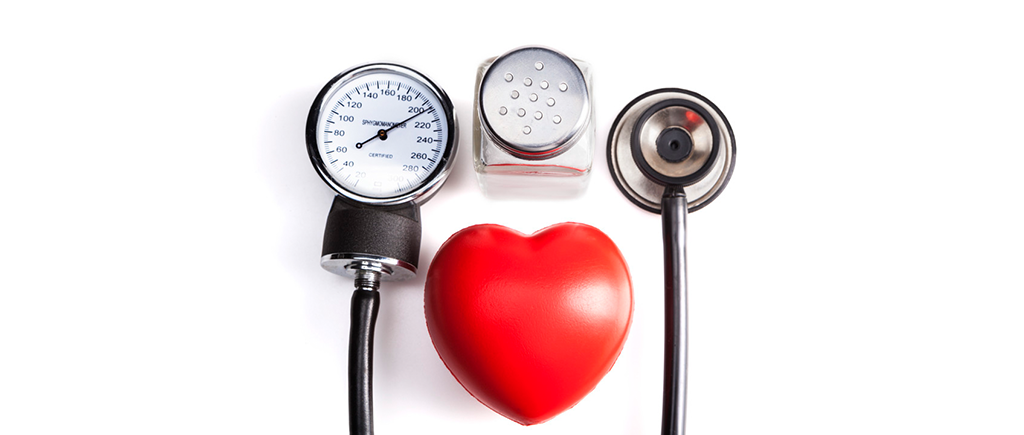
Eating salt can raise your blood pressure, which increases your risk of strokes and heart attacks at any age.
AWASH aims to reduce the amount of salt being consumed by Australians.